The first quarter of 2025 in Europe has been defined by growing concerns over human capital flight and the intensifying global competition for scientific talent.
In January, the Trump administration suspended federal funding for over 300 research projects linked to diversity, equity, and inclusion, triggering deep uncertainty within the U.S. scientific community.
By March, twelve European Ministers of Research had sent a joint letter to the European Commission, urging concrete measures to welcome researchers at risk.
In April, national initiatives emerged in France, Spain, Catalonia, and Belgium to attract international scientists—particularly from the United States. Then, on May 5, Ursula von der Leyen and Emmanuel Macron launched the Choose Europe for Science plan, backed by a €500 million budget, signaling a unified European ambition to become a global scientific haven.
Europe responded swiftly. Regardless of the ultimate success or failure of this strategy, one must ask: does this moment represent a turning point—one that could shift the balance of global intellectual power in Europe’s favor over the long term?
At first glance, the Choose Europe for Science initiative appears as both a moral imperative and a strategic opportunity—a principled response to a direct assault on academic freedom abroad.
The historical parallel to the 1930s scientific exile from Europe is rhetorically compelling. Yet one must distinguish between reacting to political repression and aligning with the substantive values of those affected. Hosting displaced researchers does not automatically entail epistemic compatibility, nor does it guarantee a net positive contribution to Europe’s research ecosystems.
The core challenge lies not only in rescuing disrupted careers but in safeguarding the institutional balance, methodological rigor, and democratic civility of European academia. This distinction—between moral hospitality and strategic coherence—remains insufficiently articulated in the current framing of the programme.
Timeline of European Measures to Attract American Researchers (2025)
I- January 2025: A Shock to American Science Under Donald Trump
Upon his return to the White House in January 2025, Donald Trump implements a series of measures that shakes the American scientific community. His administration freezes federal funding related to Diversity, Equity, and Inclusion (DEI) programs in academic research, canceling hundreds of projects financed by the National Science Foundation.
A- The Executive Order signed on January 21, 2025, titled “Ending Illegal Discrimination and Restoring Merit-Based Opportunity,” marks a radical shift in U.S. federal policy by dismantling the legal and institutional frameworks that supported DEI (Diversity, Equity, Inclusion) initiatives across government and federally funded sectors.
Presented as a defense of constitutional equality and meritocracy, the order repeals a series of executive actions dating back to Johnson’s EO 11246 and Clinton’s EO 12898, which had structured affirmative action and diversity policies in federal hiring and contracting. It mandates all federal agencies to eliminate DEI-related language, programs, and enforcement mechanisms, both internally and in their dealings with private contractors. The core legal rationale is that identity-based preferences constitute unlawful discrimination under the Civil Rights Act, even when framed as corrective or inclusive.
Beyond repealing past DEI policies, the order extends its reach into the private sector, instructing agencies to investigate and potentially litigate against universities, corporations, and foundations suspected of engaging in DEI practices incompatible with federal anti-discrimination law. It imposes new certification requirements for federal contractors and grant recipients to affirm non-engagement in DEI initiatives.
By operationalizing legal tools to suppress identity-based programs in education and public procurement, and by tasking the Department of Justice with identifying high-profile institutional targets, the order initiates a broad campaign against what it labels as “identity-based spoils systems.” Politically, it represents a structured backlash against progressive civil rights frameworks, raising serious questions about freedom of association, academic autonomy, and federal overreach in cultural and ideological domains.
B- A Letter from Michael V. Drake, M.D., President of the University of California and a tweet from NIH
On January 27, 2025, University of California President Michael V. Drake issued an urgent message in response to a surprise directive from the Trump administration’s Office of Management and Budget (OMB), which temporarily froze federal grants and aid programs linked to various executive orders—excluding major entitlement programs. Though short-lived and legally suspended by a federal judge the following day, the freeze triggered widespread concern across U.S. higher education, prompting rapid institutional mobilization at UC and other universities.
The episode was swiftly followed by a major policy shift from the National Institutes of Health (NIH) on February 8, which imposed a 15% cap on indirect costs for NIH-funded research—down from rates often exceeding 60%. Together, these developments signaled a deeper federal recalibration under the Trump administration, aimed at curbing institutional overhead and ideological influence in publicly funded academic research, and marked a pivotal moment of legal, financial, and strategic uncertainty for major research universities.
II- February : Mobilisation of American researches
Journalistic Narrative and Political Catalyst
In February 2025, the Associated Press published several key articles analyzing the consequences of the executive order signed by Donald Trump on January 21, aimed at dismantling DEI (Diversity, Equity, Inclusion) policies across the federal government.
These articles document a shockwave throughout the American academic landscape: temporary freezes on federal grants, suspension of research programs, termination of targeted fellowships, and growing fears of political interference in scientific agendas. The narrative is grounded in firsthand testimonies from researchers (Kendra Dahmer at UC Berkeley, Joseph Graves at North Carolina A&T), administrative responses from universities such as Mount Holyoke and Rutgers, and judicial interventions that temporarily halted the order’s enforcement.
Sources, Data, and Language Used
The AP articles draw on a wide range of documentation: official statements, internal memos, court rulings, and interviews with researchers, university officials, and advocacy leaders. They cite, among others, the NIH-imposed cap on indirect costs (reduced to 15%, down from over 60% at some universities), responses from the AAUP (American Association of University Professors), and strong language from figures like Marybeth Gasman and Danielle Holley opposing the “linguistic dilution” of DEI. The journalistic lexicon is both alarmed and combative, using terms like “chilling effect,” “compliance freeze,” “ideological overreach,” and “punch in the gut.”
Key Messages and Ethical Stances
The core messages expressed by quoted voices are clear: a defense of academic freedom, rejection of ideological repression, and reaffirmation of commitments to marginalized communities. Joseph Graves declares, “Whatever we do, we’re doing DEI whether they like it or not.” Danielle Holley refuses any semantic compromise that would imply renouncing equity principles. These statements reflect a form of moral disobedience that seeks to uphold DEI goals even if their formal structures are dismantled. The message is twofold: preserve substance while bypassing formal prohibitions.
Repertoires of Collective Action
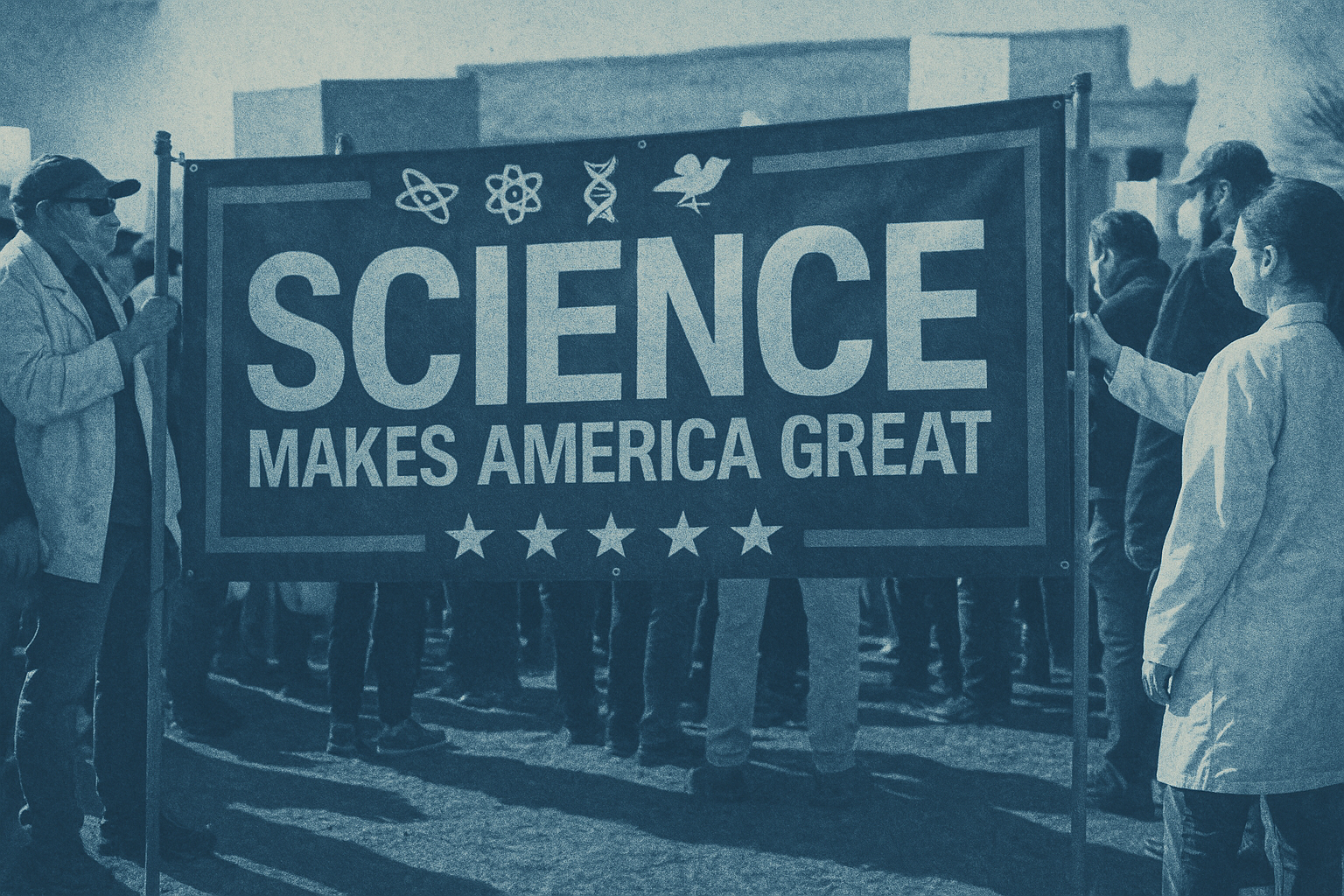
The articles describe a strategic shift toward civil mobilization, litigation, and administrative workaround. Beyond emergency legal actions against the grant freezes, institutions have begun renaming DEI offices, professional associations like the NAACP and Lambda Legal are coordinating responses, and a student movement—“Stand Up for Science 2025”—is gaining momentum. Tactics such as semantic adaptation (renaming DEI offices as “offices of belonging”) demonstrate an agile response to the new legal landscape.
Militant Outlook and Ideological Conflict
AP coverage clearly frames the controversy as an ideological confrontation between a conservative federal government seeking symbolic purification and academic institutions anchored in progressive commitments. Trump’s order aims to redefine acceptable boundaries for publicly funded research by subjecting them to ideological filters. The articles reveal a militant perspective rooted in the idea of an academic civil resistance—a struggle to protect inclusive, autonomous, and intellectually free research from political manipulation.
Strategic Horizon and Future Tensions
Finally, the articles emphasize that these tensions are not merely circumstantial but part of a deeper, ongoing battle over the very definition of the university, legitimate knowledge, and the state’s role in education.
Implicitly, the AP anticipates a legal pivot toward constitutional litigation (freedom of speech, due process), while hinting at a potential intellectual exodus. In this context, Europe begins to emerge as a possible “scientific refuge,” if it can seize the moment to strengthen its academic appeal. Still, the deeper question remains unresolved: what ideological model of freedom and knowledge does Europe wish to adopt—or reject—from the American debate?
Ultimately, by the end of February, activist efforts appear to be coalescing around the Stand Up For Science platform, which is rapidly becoming the focal point of resistance for a broad coalition of researchers, students, legal advocates, and concerned citizens. As both a tactical toolbox and a symbolic space of mobilization, the platform crystallizes the transition from dispersed academic alarm to coordinated civic action—marking a decisive shift in the scientific community’s posture from defensive reaction to organized advocacy.
Media coverage, particularly from the Associated Press, has documented widespread concern across U.S. academic institutions in response to the Trump administration’s executive orders targeting DEI frameworks. These reports emphasize repression and urgency.
However, critical scrutiny is warranted. Many of the most vocal figures now positioned as defenders of academic freedom have, in recent years, contributed to an environment of ideological rigidity, informal censorship, and epistemic exclusion on American campuses.
The present crisis, while unquestionably triggered by political overreach, also reflects long-standing internal distortions—where scholarship was at times subordinated to ideological activism.
Europe must be cautious not to import these distortions under the banner of academic solidarity. Protecting scientific freedom includes maintaining standards of objectivity, openness, and intellectual pluralism.
III- March : First wave of European reactions
In March 2025, political momentum began to build in Europe in response to the growing erosion of academic freedom in the United States.

On March 15, French Research Minister Philippe Baptiste led an initiative that resulted in a joint letter addressed to European Commissioner for Research, Ekaterina Zaharieva. Co-signed by 12 other EU member states, the letter called for urgent, coordinated action to uphold Europe’s scientific autonomy and attract displaced researchers. The European Commission responded by organizing a high-level ministerial meeting, where a first fund of €30 million was discussed to support scholars at risk. More importantly, the Commission pledged to design more ambitious structural measures for a common European strategy.
The letter itself, signed by ministers and state secretaries from France, Germany, Austria, Bulgaria, Spain, Estonia, Greece, Latvia, the Czech Republic, Romania, Slovakia, and Slovenia, framed academic freedom as both a legal guarantee and a strategic asset. Referencing the Bonn and Marseille Declarations, as well as Council and Parliament texts, the signatories argued that the pressures facing global science—whether political interference, ideological censorship, or discriminatory funding practices—threaten Europe’s intellectual sovereignty. They made the case that welcoming displaced researchers and defending freedom of scientific inquiry are not only moral obligations but essential components of Europe’s competitiveness and geopolitical autonomy.
Concrete policy proposals followed. The signatories urged the rapid mobilization of EU instruments like the ERC, MSCA, ERA Talents, and the European Universities Alliances. They proposed a dedicated migration and visa framework for at-risk researchers, the creation of co-financed EU funds, and stronger links between research policy and broader EU strategies such as the Skills Union and MFF. They also called for the convening of a high-level European conference to shape a coordinated and strategic response. This combination of legal, financial, and diplomatic tools aimed to elevate academic freedom from principle to practice across the European Research Area.
Later that month, the European Parliament reinforced this message. On March 31, during a plenary session in Strasbourg, MEPs held an emergency debate titled “The Situation of European Academics and Researchers in the United States and Impacts on Academic Freedom.” The session concluded with the adoption of Resolution 2025/2632(RSP), which expressed solidarity with researchers affected by U.S. policies and called on the EU to facilitate their reception. The resolution highlighted the centrality of academic freedom to democratic life and scientific innovation, warning that political interference in the U.S. threatened both transatlantic cooperation and the autonomy of European researchers.
The European Commission, represented again by Commissioner Zaharieva, affirmed its full commitment to these principles and to tangible action. Parliament supported the creation of new legal and financial mechanisms to protect academic freedom and displaced scholars, alongside efforts to expand international scientific partnerships rooted in open collaboration.
An article published by Science on 17 March 2025 presents a cautious and rather pessimistic assessment of the current wave of scientific emigration from the United States.
Strategically, this second order marks a return to a securitized, nationalist view of academia, where international openness is subordinated to geopolitical caution. By reframing Section 117 compliance as a condition for federal support, the Trump administration seeks to institutionalize academic vigilance as a national security imperative. The implications are profound: increased bureaucratic scrutiny, the potential chilling of international research collaboration, and legal exposure for universities perceived as insufficiently transparent. While framed in terms of transparency and integrity, the order embodies a deeper suspicion toward global academic exchange and consolidates a coercive mechanism for reshaping the governance of higher education. Together, these two executive orders deepen the ideological reorientation of federal education policy and signal an assertive use of presidential authority to reshape both public schooling and university autonomy along conservative, nationalist lines.
It underscores the deepening instability of the American research ecosystem, driven by political interference, budgetary cuts, and the dismantling of entire academic departments. Through emblematic cases—like that of “Emma,” a European chemist based in the U.S. who has withdrawn from academic job processes—the article illustrates a widespread climate of anxiety among researchers.
While acknowledging that this context may represent an opportunity for foreign institutions, the piece stresses the structural limitations of most potential host countries: constrained budgets, limited research infrastructure, and an already saturated academic job market. The core warning is clear—without coordination and significant investment, this influx of talent risks overwhelming existing institutions and leading to lasting damage to the global scientific commons.
Nevertheless, the end of march sees the emergence of a few promising responses, chief among them the initiative launched by Aix-Marseille Université (AMU) under the name “Safe Place for Science.” Within two weeks, AMU received over 50 applications and secured a first budget of €10–15 million, with one American researcher already hosted. This program positions the university as both a haven for endangered scholars and a strategic actor in scientific diplomacy.
The “Safe Place for Science” programme launched in March 2025 by Aix-Marseille Université (AMU) stands as one of Europe’s most structured and politically assertive responses to the rollback of academic freedom in the United States under the Trump administration.
Backed by a €15 million budget through the A*Midex Foundation and the French government’s Programme d’Investissements d’Avenir, the initiative aims to host around fifteen researchers over three years, prioritizing those in politically targeted fields such as climate science, gender studies, public health, and the social sciences. Each selected scholar receives up to €800,000 in support, including salary and integration into AMU’s 121 research units and 72 technological platforms.
The French research ministry has called for broader coordination, and other institutions such as Paris-Saclay are preparing to follow suit. While countries like Canada, the U.K., and the Netherlands face financial constraints, France is singled out as moving faster and with greater clarity. AMU’s effort may be modest in scale, but it signals political will and academic solidarity—and could serve as a template for more ambitious, nationally and Europeanly coordinated efforts to defend academic freedom and attract displaced scientific talent.
In March 2025, the Vrije Universiteit Brussel (VUB) launched a politically explicit and symbolically charged initiative to welcome at-risk researchers. VUB openly frames this action as a response to ideological interference in science and to past denigrations of Brussels, notably Trump’s 2016 “hellhole” remark, turning the insult into a rallying cry for academic freedom. Its ambition is to act as a symbolic and strategic haven for researchers in fields like climate, reproductive health, AI, and geopolitics.
Despite its current limitations in scale and structure, the initiative’s rhetorical clarity and political visibility give it the potential to serve as a replicable model for other European universities seeking to defend academic freedom in a polarized global context.
IV- April 2025: National and Academic Initiatives
In April 2025, President Donald J. Trump signed two executive orders that further define the ideological orientation of his administration’s education agenda.

The first, titled “Reinstating Common Sense School Discipline Policies,” aims to dismantle equity-based disciplinary practices in U.S. public schools. Legally, the discipline order operates by defining equity-based disciplinary programs as incompatible with federal law and directs agencies to eliminate any remaining policy instruments tied to such practices. It rescinds prior federal guidance encouraging schools to address racially disparate outcomes in discipline—particularly the 2014 Obama-era policy grounded in Title VI of the Civil Rights Act—and instead reasserts an ostensibly “colorblind” approach centered solely on individual student behavior.
The order condemns equity-informed “behavior modification techniques” as ideologically driven and harmful, linking them to increased school disorder. It calls for the full removal of federal levers that support race-conscious discipline frameworks, echoing prior reports such as the 2018 Federal Commission on School Safety. The broader aim is to reestablish teacher authority and local discretion in disciplinary matters, while rejecting what the administration describes as “woke” or “identity-based” distortions of educational policy.
The second order, “Transparency Regarding Foreign Influence at American Universities,” also signed on April 23, 2025, revives and amplifies a signature Trump-era concern: the oversight of foreign funding in U.S. higher education. Anchored in Section 117 of the Higher Education Act and the False Claims Act, the order mandates full disclosure of foreign donations and contracts exceeding $250,000 and ties federal funding eligibility to accurate compliance.
Institutions found to have misrepresented or failed to disclose such ties risk prosecution under fraud statutes. The Executive Order criticizes the Biden administration for weakening enforcement mechanisms and revives an interagency strategy involving the Departments of Education, Justice, Homeland Security, and State to track potentially coercive or ideologically motivated foreign academic partnerships—particularly with China, Qatar, and other politically sensitive countries.
Launched in April 2025 as part of the France 2030 investment strategy, Choose France for Science is a sovereign and strategic response to rising global threats against academic freedom—most notably in the United States—positioning France as a haven for displaced researchers and a leader in scientific diplomacy.
Operated by the French National Research Agency (ANR) and politically overseen by the General Secretariat for Investment (SGPI), the program offers co-financing of up to 50% for French institutions wishing to host international scholars in seven key domains: health, climate, AI, space, agriculture, energy, and digital infrastructure. Applicants are selected on the basis of scientific merit, geopolitical risk, motivation to relocate, and potential to secure major international grants such as ERC or EIC Pathfinder.
Framed as both a moral imperative and a tool of scientific sovereignty, the initiative has rapidly gained traction—attracting over 30,000 online visits and hundreds of applicants within weeks. Ministers Élisabeth Borne, Philippe Baptiste, and Bruno Bonnell have each underlined the coherence between this program and France’s broader ambition to fuse research excellence with national reindustrialisation.
On 24 April 2025, the CNRS (French National Centre for Scientific Research) launched its Choose CNRS programme, a high-level initiative that offers structured refuge to foreign researchers facing threats to academic freedom—especially from countries like the United States and Argentina.
Closely aligned with the broader Choose France for Science initiative under France 2030, the programme aims to attract scientific talent of strategic value to the French research ecosystem, prioritising individuals affected by funding cuts, ideological censorship, or disinstitutionalisation of science.
Selective by design, Choose CNRS offers reinforced support, including ERC-aligned start-up packages of up to €2 million for third-country researchers, and integrates with EU-level instruments such as the MSCA and ERC. The programme also seeks to internationalise CNRS recruitment—already one-third non-French—and bolster national capacity in pressured fields like climate, AI, and public health.
Drawing on the precedent of the 2017 MOPGA initiative, Choose CNRS combines scientific diplomacy with operational credibility, positioning CNRS as a sanctuary institution committed to academic independence and European research sovereignty, while calling for a coordinated continental response to the global rollback of scientific freedoms.
Announced on April 1st, 2025 by President Salvador Illa at the Recinte Modernista Sant Pau in Barcelona, the Catalonia Talent Bridge programme embodies a proactive regional response to the erosion of academic freedom in the United States following the Trump administration’s executive orders targeting research in fields such as climate science, gender, and public health. Backed by a €30 million budget over three years, the programme offers more than 70 positions to high-level researchers—post-docs, senior scientists, and global leaders—based solely on scientific excellence, with no political prerequisites.
Coordinated across Catalonia’s 12 public universities and 40 leading research centres, the initiative positions the region as both a scientific sanctuary and a hub of international academic diplomacy. Beyond providing immediate refuge, Catalonia Talent Bridge serves four strategic goals: to protect endangered knowledge production, to reinforce Catalonia’s role in the global scientific ecosystem, to align with broader European efforts to uphold academic liberties, and to project regional leadership in science-based international relations.
Its rapid launch, coherent design, and strong political framing make it a model of subnational responsiveness, capable of complementing EU-level instruments such as the ERC, Marie Skłodowska-Curie Actions, or MSCA4Ukraine, and asserting Catalonia as a visible and credible actor in Europe’s research sovereignty agenda.
V-May 5, 2025: “Choose Europe for Science” Conference in Paris
Launched on May 5, 2025, during a high-profile conference at the Sorbonne co-hosted by Emmanuel Macron and Ursula von der Leyen, the Choose Europe for Science initiative marks a turning point in the EU’s research diplomacy.
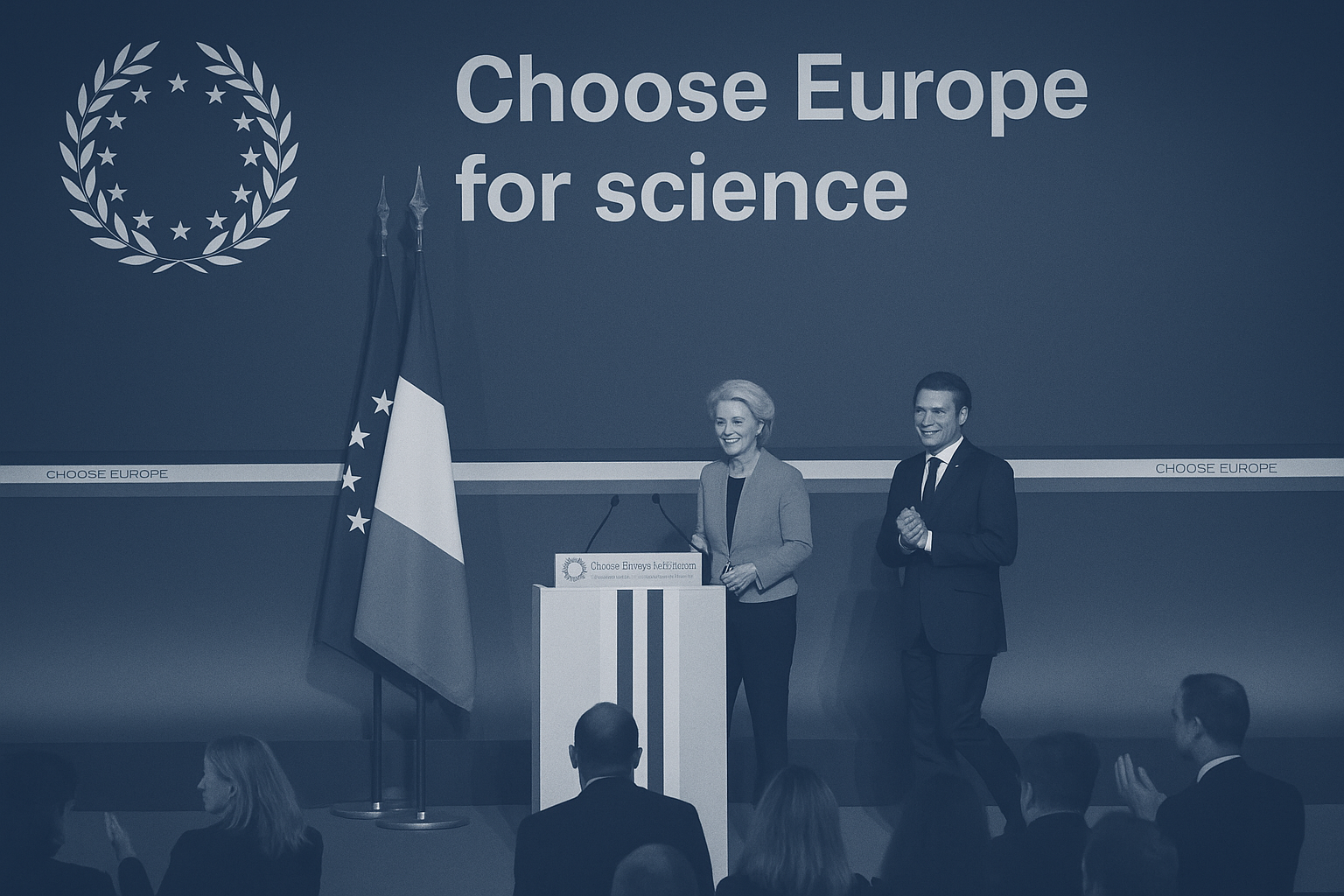
Aimed at bolstering Europe’s scientific attractiveness amid global political turbulence—particularly in the United States—the initiative unveils a €500 million package for
2025–2027, complementing Horizon Europe. Key measures include the creation of a new seven-year “super-grant” within the European Research Council (ERC) for top-tier researchers relocating to Europe, and the doubling of existing ERC top-ups to support such mobility.
For early-career scientists, a Choose Europe pilot within the Marie Skłodowska-Curie Actions (MSCA) introduces enhanced stipends and longer contracts, particularly in fields like AI. In parallel, von der Leyen reaffirms the EU’s ambition to raise R&D investment to 3% of GDP by 2030, foreshadowing structural reforms in the next Multiannual Financial Framework.
To facilitate mobility, the Commission pledges a simplified visa regime for international researchers, backed by a new strategy to be presented by the end of 2025. Together, these measures articulate a cohesive vision of Europe as a global refuge and magnet for scientific talent, reinforcing both its epistemic sovereignty and its soft power.
On May 5, 2025, at the Université de la Sorbonne, President Emmanuel Macron delivered a structured address in support of the “Choose Europe for Science” initiative, positioning Europe as a destination for researchers affected by political constraints abroad, particularly in the United States.
The speech was organized around three core themes: the central role of academic freedom in democratic societies; the need to make Europe attractive to displaced researchers; and the strategic importance of scientific autonomy for European sovereignty. Macron reiterated existing French and European mechanisms such as the PAUSE program, the Make Our Planet Great Again initiative, and the recently launched Choose France for Science platform.
He proposed several new measures, including a €25 billion increase in research investment by 2030, salary increases for public researchers, the launch of a series of “Grand Scientific Projects,” and administrative simplifications aimed at improving research conditions. He also advocated for the development of European scientific infrastructure and data sovereignty, including the relocation of key databases to Europe. The address concluded with a call to action directed at researchers and institutions, placing science at the heart of democratic resilience and long-term competitiveness.
In her closing speech at the Sorbonne on May 5, 2025, European Commission President Ursula von der Leyen presented the “Choose Europe for Science” initiative as a strategic and institutional response to the global erosion of academic freedom, particularly in the United States. Without naming specific countries, she framed the initiative as a geopolitical and normative shift aimed at positioning Europe as a global refuge for scientific research.
Drawing on historical references, including the legacy of Marie Curie, von der Leyen articulated four central pillars: legal protection of academic freedom through a forthcoming European Research Area Act; a €500 million funding envelope for 2025–2027, including a new seven-year ERC “super-grant” and enhanced Marie Skłodowska-Curie fellowships; a mobility framework with simplified visas and integration pathways; and an innovation acceleration strategy linked to European sovereignty in key sectors such as AI, biotech, and space.
The initiative links research policy with broader EU objectives on competitiveness, technological autonomy, and democratic resilience, while calling for coordinated implementation across member states and institutions. Von der Leyen’s address marked a shift from Europe as a research partner to Europe as a protective and proactive actor in global science governance.
In her keynote speech at the Sorbonne on 23 May 2025, European Commissioner for Startups, Research and Innovation Ekaterina Zaharieva set out a principled and civic-minded vision of science as a public vocation embedded in the European project. Emphasising that science is “a calling, not just a career,” she warned of growing global threats to academic freedom and misinformation, arguing that the defence of science must be both a political and ethical commitment.
She outlined structural challenges—precarity, gender imbalance, and declining research autonomy—and announced the forthcoming European Research Area Act, designed to legally enshrine academic freedom, protect researchers’ careers, and improve mobility and social security for scientists.
Her address reinforced the EU’s commitment to openness and international cooperation, while underlining the need to defend shared values against ideological erosion. Concluding with the story of a Ukrainian researcher hosted in Sweden, Zaharieva reaffirmed Europe’s role as a haven for threatened scientific talent.
In another speech, Zaharieva also unveiled the strategic pillar of the Commission’s science agenda: the “Choose Europe!” plan for European scientific sovereignty. Structured around the coordination of EU, national, and regional instruments under the Team Europe framework, the initiative mobilises €500 million in new funding between 2025 and 2027, reinforces flagship programmes such as the ERC and MSCA, and launches long-term measures like the ERC “Super Grant” and ERA Chairs to support scientific excellence in underrepresented regions.
The plan also prioritises simplified administrative procedures and centralises international talent recruitment via the EURAXESS portal. Strategically, it elevates the European Research Area from a coordination mechanism to a political tool for shaping Europe’s knowledge sovereignty. Zaharieva stressed that in a context of growing ideological restrictions worldwide, Europe must not only host but actively empower researchers. The EU, she concluded, is choosing to lead by example—anchoring science as a core element of its democratic and geopolitical identity.
The unveiling of the €500 million European plan—complete with long-term ERC “super grants,” expanded mobility schemes, and institutional fast-tracking—signals a laudable ambition. Yet a fundamental question remains: to whom is this generosity directed?
While the political messaging emphasizes freedom of inquiry, the operational mechanisms for quality control and value alignment remain unclear.
In a context where certain ideological currents within academia may themselves be at odds with European principles—such as scientific neutrality, viewpoint diversity, and lawful discourse—it is essential to distinguish between intellectual asylum and ideological importation. Europe must not conflate openness with indiscriminate access, nor risk becoming a passive recipient of unresolved academic polarization exported from abroad.
MODELISATION EFFORT
I- Geo-Economic Analysis of the European Plan vs. U.S. Scientific Power
Europe’s recent initiative to attract American researchers—symbolized by the Choose Europe for Science plan—is a clear strategic move. It reflects a coordinated effort to position the EU as a global sanctuary for scientific talent in response to recent political developments in the United States. However, when examined through a geo-economic lens, the European response, though ambitious in intention, still falls significantly short of matching the systemic power and scale of the American research ecosystem.

Macroeconomic indicators
Structural Investment Gap
The most glaring disparity lies in raw investment. In 2023, the United States devoted an estimated 3.5% of its GDP to research and development (R&D), compared to 2.22% in the EU and 2.18% in France. This gap is not marginal—it represents a structural underinvestment of approximately €300 billion per year at the EU level, if the goal were to reach U.S. intensity. This chronic disparity reinforces the U.S.’s long-term scientific dominance and capacity to absorb shocks or political instability without losing systemic competitiveness.
Public-Private Balance
The funding structure also diverges: the U.S. R&D system is 75% privately funded, while Europe and France rely more heavily on public spending (32% EU, 35% France). This means the U.S. benefits from a deeper integration between research and market-driven innovation. European programs, even when well-funded, often lack the commercial dynamism and agility of U.S. counterparts, which limits scalability and cross-sector deployment.
Per Capita Spending and Salaries
On a per capita basis, the U.S. spends around €2,800 per person annually on R&D, compared to €850 in the EU and €1,250 in France. This metric is indicative of the depth of the knowledge economy and correlates strongly with research infrastructure, institutional capacity, and access to frontier technologies. Compounding this, public-sector researchers in the U.S. earn on average €6,000 per month (net)—nearly double their European peers. For top U.S. talent, even significant European grants may not offset the income differential and career uncertainty of transatlantic relocation.
Mobility and Attraction Tools
Europe does show potential as a refuge. Around 8,000 researchers moved from the U.S. to Europe in 2024, including 1,000 to France. Moreover, 14% of ERC Advanced Grants already go to U.S. nationals—a promising sign that Europe’s prestige remains intact in elite academic circles.
Yet the financial tools deployed in 2025 remain modest by comparison. The EU’s flagship Choose Europe plan allocates €500 million over three years—just over €166 million annually across 27 countries. France adds €100 million over the same period, while Spain, Catalonia, Belgium, and local universities contribute smaller amounts (e.g. €30 million for Catalonia, €15 million for Aix-Marseille). Taken together, these funds total under €700 million across all levels—a fraction of what major U.S. universities or federal agencies allocate annually to research alone.
Administrative Mechanisms: A Competitive Edge
Europe’s comparative advantage may lie not in scale, but in policy infrastructure:
• Simplified visa processes
• Co-funding mechanisms via ERC/MSCA
• National platforms (e.g., Choose France, Euraxess)
• Long-term positions (e.g., 7-year ERC grants)
• Enhanced mobility bonuses (up to €2 million)
These are politically salient tools that directly respond to the American brain drain moment triggered by Trump-era policies. They position Europe not as a replacement, but as an alternative—a zone of academic stability, freedom, and respect for scientific autonomy.
Asymmetry with Strategic Opportunity
From a geo-economic standpoint, the European plan does not rival the financial firepower or institutional density of the U.S. research system. However, it capitalizes on a rare political window: the destabilization of the American science environment.
The EU’s €500 million is not transformative in macroeconomic terms, but it is strategically timed. If paired with further investment and long-term political will, this initial momentum could help Europe rebalance the global intellectual ecosystem—shifting from defensive posture (retaining talent) to offensive strategy (attracting the world’s best minds).
II- Human Capital Flight models
The economic interpretation of human capital flight—commonly referred to as “brain drain”—rests on a range of complementary theoretical models, each accounting for different mechanisms of skilled migration. The Push-Pull Model, grounded in neoclassical economics, views migration as an individual utility-maximizing choice based on wage differentials, living standards, and political stability. The Roy-Borjas Selection Model adds a skill-based logic, explaining why high-performing individuals are more likely to migrate when the return to their expertise is greater abroad.
Other models, such as the Brain Gain hypothesis, suggest that the mere prospect of migration may enhance domestic education systems, as seen in Cape Verde or India. Structural and Dependency models, by contrast, highlight systemic asymmetries, where public investment in the Global South subsidizes labor markets in wealthier countries, notably in sectors like healthcare.
More politically attuned perspectives, such as the Exit and Voice framework, explore how migration can either depoliticize reform pressures or, conversely, feed back into domestic change through remittances, ideas, or return migration. Finally, Innovation Network models map the positive spillovers generated by diasporic knowledge flows, illustrating how high-skilled migrants can serve as nodes of global collaboration.
While traditional models such as the Push-Pull and Roy-Borjas frameworks explain migration through rational economic calculus and skill-based selection, they often overlook the systemic inequalities and political constraints captured by structuralist and Hirschman-inspired approaches. Conversely, models like Human Capital Formation and Innovation Networks highlight positive feedback loops and transnational spillovers but may underestimate the fragility of domestic absorption capacities or the asymmetries embedded in global research systems.
These models find validation in a broad spectrum of historical and contemporary episodes. The displacement of Jewish scientists from Nazi Germany, the post-Cold War hemorrhage of professionals from Eastern Europe, and the flight of Russian tech workers after 2022 reflect both skill-selection dynamics and the geopolitical causes of scientific migration. At the same time, the exodus of African doctors or Filipino nurses underlines the long-term structural imbalances in global labor markets, often reinforced by migration policies in destination countries.
Certain episodes, like the Jesuit expulsion from Latin America or the Swedish mass emigration to the U.S., illustrate how the departure of human capital can yield both loss and long-term transformation, depending on the political and institutional context. Contemporary innovation clusters, such as Silicon Valley’s Indian and Chinese diasporas, or Israel’s targeted returnee programs, demonstrate the strategic utility of migration in fostering knowledge ecosystems across borders.
Synthesizing these cases reveals the insufficiency of any single explanatory model. A comprehensive understanding of brain drain must integrate individual decision-making, systemic global inequalities, and institutional responses—both national and transnational. Short-term losses may yield long-term gains through diaspora engagement, return policies, or knowledge circulation.
Conversely, unmanaged or extractive migration patterns can entrench dependency and weaken local capacity. The economic and political dimensions of scientific migration are thus inseparable: freedom of research, opportunity structures, and institutional stability are key determinants of where knowledge is produced, preserved, and advanced. Designing policy responses requires acknowledging this complexity—balancing openness with investment, and protection with partnership—in a world where talent moves but systems must endure.
A meta-model thus calls for three key principles:
(1) a dual perspective attentive to both origin and destination contexts;
(2) a temporal scale distinguishing short-term dislocations from long-term reconfigurations;
and (3) a policy-sensitive lens that recognizes how instruments such as credential recognition, return incentives, or diaspora engagement reshape migration trajectories.
Brain drain, properly understood, is not a unidirectional loss but a dynamic and contingent process of mobility, redistribution, and potential transformation—one whose outcomes hinge less on inherent logic than on political will and institutional design.
III- Game-theoretical model

This first table outlines the two main players in the global competition for scientific talent, each with distinct institutional assets and geopolitical positioning.
Table 1 – Key Players in the Strategic Game
| Player | Description |
|---|---|
| United States (USA) | Still in a dominant position, the U.S. possesses a dense scientific ecosystem, high levels of public and private R&D investment, and strong integration between academic research and industrial innovation. Its strength lies in its capacity to attract global talent and convert scientific knowledge into technological leadership. |
| European Union (EU) | The EU is emerging as a space in transformation, seeking to capitalize on American ideological turbulence to position itself as a sanctuary of academic freedom. Through initiatives such as Choose Europe for Science, it aims to redefine its appeal in the global race for talent. |
Table 2 – Strategic Options for Each Player
This second table presents the three main strategies each player may adopt in attracting and retaining high-skilled researchers.
| Player | Strategy 1 | Strategy 2 | Strategy 3 |
|---|---|---|---|
| USA | Retrench (cut funding, politicize science) | Neutral (status quo) | Reinvest & Reform (post-crisis recovery) |
| EU | Passive (fragmented responses) | Reactive (short-term funding, symbolic appeals) | Structural Offensive (long-term investment, visa and tenure reform, innovation hubs) |
Table 3 – Strategic Scenarios and Payoffs
This third table models different strategic scenarios between the U.S. and EU, with associated payoffs over short, medium, and long-term horizons in the global scientific ecosystem.
| Scenario | USA Strategy | EU Strategy | USA Payoff | EU Payoff | Notes |
|---|---|---|---|---|---|
| A | Retrench | Passive | 2 | 1 | U.S. leads despite instability; EU fails to act decisively. |
| B | Retrench | Reactive | 2 | 3 | EU captures some fleeing talent but lacks follow-up structure. |
| C | Retrench | Structural Offensive | 1 | 5 | EU maximizes gains; U.S. faces reputational collapse. |
| D | Neutral | Passive | 3 | 1 | U.S. maintains dominance; EU stagnates. |
| E | Neutral | Reactive | 3 | 3 | Balanced but lacks long-term impact. |
| F | Neutral | Structural Offensive | 2 | 4 | EU builds a strategic edge. |
| G | Reinvest & Reform | Passive | 5 | 1 | U.S. reabsorbs talent; EU misses opportunity. |
| H | Reinvest & Reform | Reactive | 5 | 2 | Short-term competition, U.S. retains dominance. |
| I | Reinvest & Reform | Structural Offensive | 4 | 4 | Scientific multipolarity emerges; global science benefits. |
The current transatlantic competition for scientific talent can be modeled as a repeated non-zero-sum game between two principal players—the United States and the European Union—each seeking to attract and retain high-skilled researchers as part of broader strategies for scientific and technological leadership.
In this strategic game, the U.S. retains structural advantages in terms of funding scale, institutional density, and integration with the private sector, while the EU positions itself as a normative and institutional alternative, leveraging initiatives like Choose Europe for Science to signal openness and stability.
Each player can adopt one of three strategies: status quo maintenance, ideological retrenchment, or structural investment.
The payoffs—measured across short-term attraction rates, medium-term scientific output, and long-term strategic positioning—vary depending on the interaction of these choices.
If the U.S. follows a retrenchment path driven by ideological constraints, the EU benefits most by adopting a structurally proactive approach, transforming temporary advantage into systemic capacity. However, if the U.S. stabilizes and reinvests, only a coordinated, long-term strategy will allow the EU to remain competitive.
The optimal long-term equilibrium (Scenario I) occurs when both blocs commit to sustained scientific investment, yielding mutual gains and contributing to a multipolar global knowledge order. The game also incorporates signaling dynamics: European programs such as MSCA reform and national hosting schemes serve as credible signals of institutional reliability and openness, aiming to reconfigure global researcher preferences over time.
To position itself strategically in the evolving transatlantic competition for scientific talent, the European Union must shift from symbolic signaling to structural transformation. This entails embedding its political ambition in concrete mechanisms: permanent academic positions, legal guarantees for research freedom, integrated support services (housing, visas, family assistance), and sustained infrastructure investment.
Aligning high-level funding tools like ERC and MSCA with complementary levers such as tax incentives and philanthropic partnerships is essential to crafting a globally attractive ecosystem.
The current period of ideological turbulence in the United States (2025–2028) presents a narrow but significant window for Europe to act decisively and secure long-term scientific assets. Initiatives like the Benjamin Franklin Fund exemplify the kind of dual strategy needed—targeting both top researchers and private donors historically aligned with U.S. institutions, with the aim of creating a leverage effect of public-private co-investment.
The strategic objective is not to supplant the U.S. but to build a robust, autonomous European scientific pole within a balanced, multipolar knowledge order. By securing scenarios C and F—and working toward the ideal scenario I—Europe can move from reactive posturing to a proactive, sovereign stance in global science. The challenge is not simply to respond to crisis, but to redefine the terms of scientific excellence, mobility, and funding for the decades to come.
The worst-case scenarios identified—D, E, G, and H—illustrate in different ways how the European Union could fail to convert a moment of American ideological volatility into meaningful strategic advantage.
In each case, Europe either remains passive or reacts superficially while the United States stabilizes or reinvests, resulting in a net loss of opportunity, influence, and institutional coherence.
But what makes these scenarios especially perilous is not merely their economic inefficiency or geopolitical cost; it is the deeper risk of importing the very forms of ideological polarization that have destabilized the U.S. research landscape.
If the EU channels significant resources into attracting displaced researchers without a clear normative filter, it may find itself inadvertently empowering the most combative or institutionally corrosive factions of the American academic crisis—those who, while rightly opposed to Trump’s executive overreach, have themselves contributed to the erosion of scientific neutrality and open discourse.
Scenarios G and H are particularly alarming in this respect: the U.S. regains its competitive edge while Europe becomes a transient refuge for actors whose research agendas are entangled with epistemic activism and ideological gatekeeping.
The result would be a structural asymmetry: Europe subsidizes short-term dissidence, while the U.S. reabsorbs long-term excellence. To avoid this, Europe must ensure that its attractiveness strategy is not just reactive but selective—anchored in a principled commitment to scientific integrity, institutional pluralism, and long-term capacity-building. Otherwise, the ambition to transform a brain drain into a brain gain could collapse into a costly exercise in ideological outsourcing.
This is why we argue that any proactive attractiveness strategy must be accompanied by clear, enforceable selection criteria—not merely to uphold standards, but to protect the long-term coherence of the European research space.
We therefore propose a tripartite framework for prioritization: first, industrial criticality, to ensure alignment with Europe’s strategic autonomy in key sectors such as health, energy, AI, and space; second, academic excellence, assessed through internationally benchmarked research output and methodological rigor; and third, private-sector adaptability, favoring profiles capable of contributing to innovation ecosystems beyond the university. This combined filter allows Europe to distinguish between temporary political dissidence and enduring scientific value, and to ensure that the researchers it integrates are not only free—but also structurally relevant to its democratic, economic, and technological future.
Europe : from brain drain to brain gain ?

Of course, we must be cautious not to indulge in simplistic historical comparisons. However, the last major wave of scientific emigration between Europe and the United States dates back to the dramatic context of the 1930s and 1940s. At that time, it was researchers, philosophers, physicists, and mathematicians from Central Europe and Germany who, fleeing Nazism, found refuge in American universities.
The forced exile of European scholars during the 1930s and 1940s represents one of the most consequential episodes of scientific brain drain in modern history, driven by the rise of totalitarian regimes and exemplified by Nazi Germany’s purge of its academic institutions following the 1933 “Law for the Restoration of the Professional Civil Service.” Over 1,800 academics—many of them leading physicists, chemists, and intellectuals—were dismissed for racial or political reasons, with exiled scientists accounting for a disproportionate share of the country’s pre-1938 scientific output.
The United States, through initiatives like the Emergency Committee in Aid of Displaced Foreign Scholars, became the main recipient of this intellectual capital, integrating figures such as Einstein, Fermi, Bohr, and Szilard into its academic and research ecosystems. Their contributions proved pivotal to the Manhattan Project and to the post-war technological ascendancy of the U.S., which effectively supplanted Europe as the global center of scientific innovation.
Beyond wartime science, these émigrés reshaped fields from computer science to clinical medicine and left a lasting imprint on major institutions. This mass migration underscores both the strategic importance of protecting academic freedom and the long-term geopolitical consequences of ideological repression. It remains a case study in how openness to displaced talent can transform a nation’s scientific trajectory while raising enduring ethical and political questions about the role of science in times of crisis.
That movement was not merely an escape, but a lasting transfer of scientific capital. The American university system gained in strength, influence, and method. The impact of these European exiles left a deep imprint on American academic culture well into the 1960s.
Since then, the United States has remained in a dominant position: consistently able to attract top scientific talent, thanks to a combination of financial resources, prestige, institutional stability, and flexible career management. The flow remained largely one-directional—from Europe to America.
In 2025, however, Trump’s announcements appear to open the door to a reversal. For the first time in a century, the United States is facing a loss of scientific appeal that seems to benefit Europe. Europe is now presented—at least in public discourse—as a point of reference, not just for its laboratories or funding, but also for its political climate.
One could view this as a reversal of the 1930s dynamic: once, European intellectuals fled a totalitarian world to join a liberal one; today, it is American researchers who are fleeing what they perceive as an illiberal environment, seeking refuge in a space deemed more intellectually free—Europe.
This still-nascent phenomenon is giving rise to a new kind of political narrative. Several European governments—France, Spain, Belgium, Germany—as well as the European Commission, are now adopting explicit strategies to attract this flow of researchers coming from a world where science is under threat. The message has flipped: to the former “Save German Science,” today’s answer is “Choose Europe for Science.”
It’s worth noting that even during McCarthyism—a harsh period of intellectual persecution in the 1950s—few American researchers left for Europe. The fact that such a debate exists today, along with the emergence of concrete political measures to welcome these researchers, reflects a European ambition to initiate a historic shift—a reconfiguration of global intellectual power dynamics.
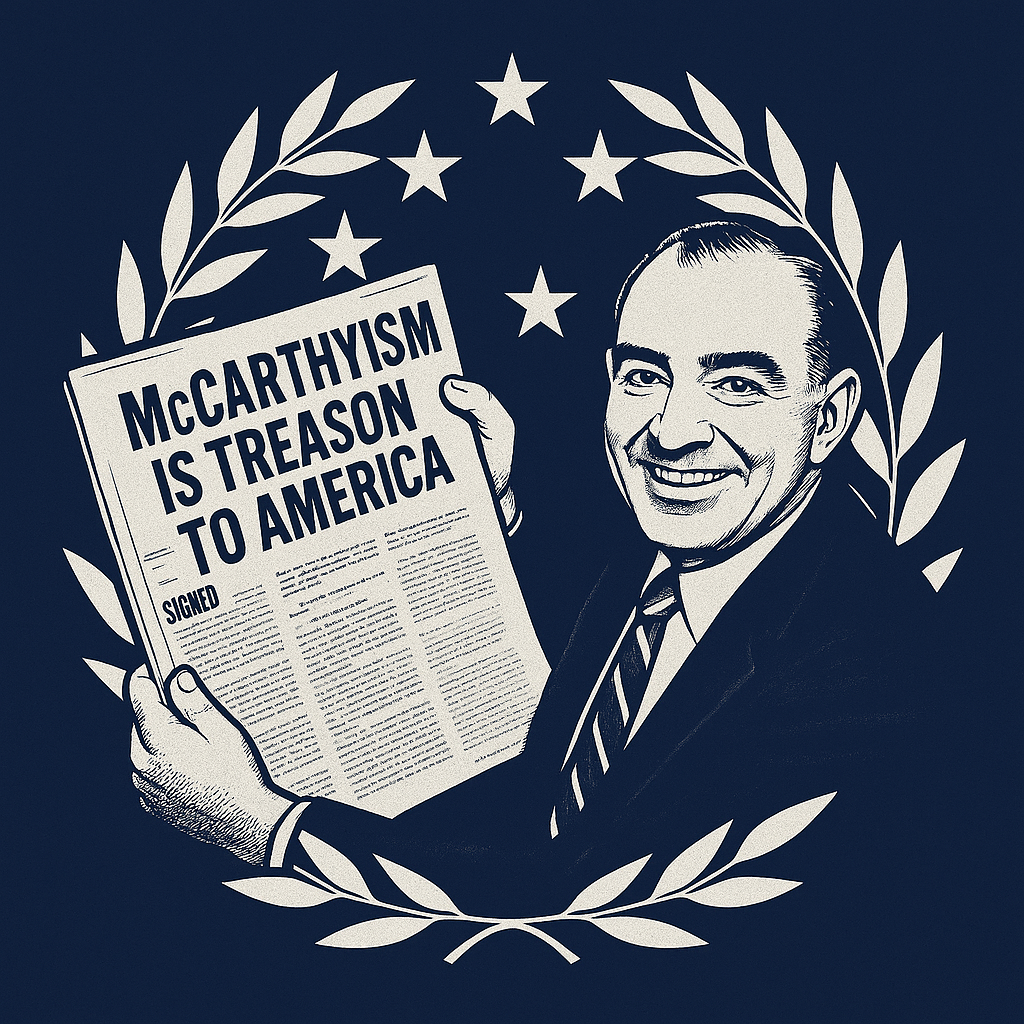
During the second Red Scare (1949–1954), the United States witnessed a wave of anticommunist repression that deeply compromised academic freedom, as loyalty oaths, FBI surveillance, and congressional investigations targeted university faculty and intellectuals.
Brandeis University, founded in 1948 as a liberal institution, quickly emerged as a site of student-led resistance to these pressures. Through its newspaper The Justice, students denounced ideological purges and challenged the climate of fear, notably in the 1951 editorial “An Ivy Curtain of Fear.” They petitioned President Eisenhower to repudiate Senator McCarthy and formed a campus chapter of Students for Democratic Action, which hosted lectures and conventions on civil liberties and academic repression.
This early period of student mobilization defined Brandeis’s institutional identity and established a durable tradition of political engagement grounded in the defense of intellectual freedom—anticipating future movements against the Vietnam War and apartheid.
Regardless of whether this attractiveness policy succeeds or not, the mere fact that it exists, that it is openly embraced and backed by funding, already marks a rupture. Europe is no longer content with merely slowing the brain drain; it now declares its intent to become a global scientific refuge—one capable of restoring the political centrality of academic freedom.
Yet one question remains: what vision of freedom of expression do we want to import? Should the closure of DEI offices in the United States now arrive in Europe, when we have already witnessed the fractures they introduced into the political landscape?
The European Union is presented with a rare geopolitical moment to reposition itself as a global hub for science and scholarship. But this opportunity demands clarity of purpose. Opposition to illiberal policies in the U.S. does not imply that all self-described dissidents embody a constructive academic ethos.
The maxim “the enemy of my enemy is not my friend” applies forcefully here. If the goal is to cultivate long-term scientific excellence and institutional integrity, Europe must combine humanitarian responsiveness with selective admission criteria, enforceable standards, and coherent alignment with its research values. Failing to do so risks transforming a potential brain gain into a new form of institutional fragility—mirroring the very dysfunctions it seeks to counterbalance.
And how can address this issue be addressed without returning to the tone of the Munich speech or the attacks launched by JD Vance against freedom of expression in Europe?
“In Britain and across Europe, free speech, I fear, is in retreat.
And in the interest of comity, my friends, but also in the interest of truth, I will admit that sometimes the loudest voices for censorship have come not from within Europe, but from within my own country, where the prior administration threatened and bullied social media companies to censor so-called misinformation.”
What we are witnessing, is a moment of transition: from left-wing forms of censorship to a conservative backlash—an alternation that merely replays the same trials in reverse.
The universe of economic freedom that Europe claims as its own must live up to the promise it carries. If we wish to position the European Union as a genuine haven for scientific thought and intellectual autonomy, then our commitment to academic liberty must be matched by a credible framework of economic openness and opportunity. It is not enough to welcome researchers with moral arguments—we must offer them stable institutions, predictable funding, streamlined regulations, and a genuine ability to innovate, invest, and build long-term careers.
This is why we argue that the current momentum must be seized through a two-step strategy.
First, the immediate context calls for a dedicated pilot fund to expand and operationalise the “Choose Europe for Science” initiative, targeting at-risk researchers and positioning Europe as a sanctuary for scientific freedom.
Second, this instrument should evolve into a permanent structural compartment within the next Multiannual Financial Framework (MFF), endowed with long-term resources and integrated into Europe’s broader research and innovation architecture. Strategic bridges must also be built with U.S. philanthropic foundations traditionally aligned with academic excellence, inventing new formats of collaboration and re-enchantment for scientific careers. This moment offers a chance to widen European institutional compatibility and deepen its future partnership potential on a global scale.
Such a response, however, cannot be improvised. Game theory teaches that in asymmetrical shocks, passivity is not neutrality—it is a strategic loss. The European Union must therefore respond proactively, not only through external signalling but by engaging in internal institutional self-reflection. The objective is not simply to attract displaced talent but to structurally reshape the European research ecosystem for the long term—grounded in openness, excellence, and sovereignty.